


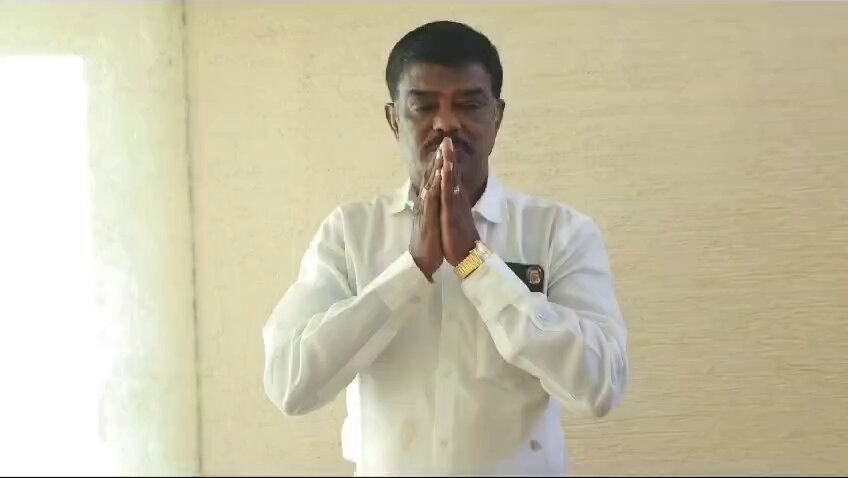
The Sivaji Krishnamurthy speech delivered in Coimbatore in recent weeks has triggered widespread political controversy after remarks made by the DMK Speaker were described by opposition parties and civil society groups as arrogant in tone and inappropriate in reference to women associated with Tamilaga Vettri Kazhagam. The statements, which circulated widely through video clips and media reports, led to sharp reactions from TVK leadership, women’s organisations, and political observers, bringing renewed attention to standards of political discourse in Tamil Nadu.
The controversy comes at a sensitive political moment as parties intensify public engagement ahead of the 2026 Assembly elections. The episode has further highlighted how public remarks made during political gatherings can rapidly shape narratives, provoke backlash, and raise questions about accountability and respectful communication in democratic politics.
Background of the Coimbatore Event
The remarks were made during a public meeting organised by the Dravida Munnetra Kazhagam in Coimbatore. The event was part of routine party outreach activities aimed at addressing regional issues and mobilising supporters.
According to reports, Sivaji Krishnamurthy spoke on multiple subjects, including governance issues, public welfare schemes, and political criticism of opponents. However, a segment of his address that referred to women and political rivals became the focal point of controversy after video clips were shared widely.
The speech took place within the last few weeks, and recordings from the event circulated across social media platforms, leading to heightened public scrutiny of the language and tone used.
What Happened During the Speech
During his address in Coimbatore, Sivaji Krishnamurthy made remarks that were interpreted by many as dismissive of concerns related to women’s dignity and safety. Opposition parties, including TVK, stated that the comments included insulting references to a woman associated with TVK and were delivered in a tone that appeared arrogant.
While the exact wording has not been reproduced by mainstream outlets due to its nature, multiple reports described the language used as inappropriate for a public political forum. The manner in which the remarks were delivered drew criticism for lowering the standard of political discourse, particularly when addressing issues involving women.
Following the circulation of the speech clips, the remarks became a topic of debate across television debates, digital media platforms, and political commentary.
Reaction from TVK Leadership and Women Members
Leaders of Tamilaga Vettri Kazhagam responded by condemning the remarks and calling for respectful treatment of women in political discourse. TVK representatives stated that public figures must maintain dignity and responsibility in their speeches, especially when referring to women and members of opposing parties.
Women members associated with TVK expressed that the remarks were hurtful and undermined efforts to promote respectful participation of women in politics. They urged political leaders across parties to refrain from personal or derogatory commentary and to focus instead on substantive policy discussions.
TVK leaders also reiterated their commitment to protecting the dignity of women in political spaces and called for a culture of respectful debate.
Political Responses and DMK’s Position
Political responses to the Sivaji Krishnamurthy speech came from across the opposition spectrum, with several leaders criticising the tone of the remarks. Some opposition figures urged the DMK leadership to issue clarifications or take internal action to prevent similar incidents in the future.
As of the latest updates, there has been no official disciplinary announcement from the DMK leadership in relation to the Coimbatore speech. Party sources indicated that internal discussions may take place to review the matter and assess the implications of the remarks on public perception.
Political analysts noted that controversial statements by party spokespersons can have broader implications for party image, particularly in an election year, and that parties often seek to manage such controversies through internal corrective measures.
Public and Civil Society Response
Civil society organisations and women’s advocacy groups expressed concern over the language used in the speech, stating that such remarks risk normalising disrespectful attitudes towards women in public life. Some groups called for greater accountability and sensitivity training for political spokespersons.
Public reaction on social media reflected a range of views, with many users criticising the tone of the speech and calling for higher standards in political communication. Others highlighted the need for political debates to focus on governance and policy rather than personal attacks.
Media commentators observed that the speed at which the video circulated contributed to the rapid escalation of the controversy, demonstrating the influence of digital platforms in shaping political narratives.
Legal and Ethical Considerations
While there have been no confirmed reports of legal action initiated specifically over the Coimbatore speech, legal experts note that public speeches are subject to existing laws governing hate speech, defamation, and public decency. The threshold for legal action depends on the content of the remarks and whether they violate statutory provisions.
Ethically, political communication is expected to uphold standards of respect and responsibility. Analysts pointed out that remarks perceived as insulting towards women can undermine public trust and discourage participation of women in political processes.
What Happens Next
The controversy surrounding the Sivaji Krishnamurthy speech is likely to remain part of political discussions in the coming weeks. Opposition parties may continue to raise the issue in public forums, while the DMK leadership may address the matter internally.
TVK leaders indicated that they will continue to highlight the need for respectful discourse and may raise the issue in political engagements to advocate for higher standards of public communication.
Observers expect that parties will be more cautious in public messaging as election activities intensify and public scrutiny of political language increases.
Public Impact and Broader Significance
The episode has renewed discussion on the tone of political discourse in Tamil Nadu and the treatment of women in political debates. Public interest groups argue that repeated controversies over language detract from substantive discussions on governance, development, and public welfare.
For women participating in political activities, such incidents can have a discouraging effect, underscoring the importance of institutional support and cultural change within political organisations.
The controversy also highlights the role of media and digital platforms in amplifying political speech and shaping public accountability.
Conclusion
The Sivaji Krishnamurthy speech in Coimbatore has sparked a broader debate on political communication, dignity of women, and accountability of public figures. The reactions from TVK leadership, women members, and civil society reflect growing expectations for respectful and responsible public discourse in Tamil Nadu’s political environment.
As political activities intensify ahead of the 2026 Assembly elections, the episode serves as a reminder that public speeches carry significant social impact, and that maintaining ethical standards in political communication is essential for healthy democratic engagement.
TVKNews.org will continue to monitor developments related to this controversy and provide verified updates on political responses and public discourse in Tamil Nadu.
